Exploring the world of Green Business Certifications That Build Trust, this introduction sets the stage for a detailed discussion on the importance and benefits of such certifications in today’s business landscape.
From understanding the different types of certifications to the process of obtaining them, this guide aims to provide valuable insights for businesses looking to enhance their credibility and sustainability efforts.
Types of Green Business Certifications
In today’s world, being environmentally conscious is more important than ever. Green business certifications help companies demonstrate their commitment to sustainability and environmental responsibility. There are several types of green business certifications available, each with its own specific criteria and standards.
LEED Certification
LEED (Leadership in Energy and Environmental Design) certification is one of the most well-known green building certifications. Developed by the U.S. Green Building Council, LEED certification focuses on energy efficiency, water conservation, and sustainable materials. Buildings can earn different levels of certification based on the number of points they accumulate through sustainable practices.
B Corp Certification
B Corp certification is awarded to companies that meet high standards of social and environmental performance, transparency, and accountability. B Corps are businesses that balance profit and purpose, considering the impact of their decisions on workers, customers, suppliers, community, and the environment.
Energy Star Certification
Energy Star certification is a program run by the U.S. Environmental Protection Agency (EPA) that recognizes energy-efficient products and buildings. To earn Energy Star certification, products and buildings must meet strict energy efficiency criteria, helping consumers and businesses save money and reduce greenhouse gas emissions.
Cradle to Cradle Certification
Cradle to Cradle certification assesses a product’s safety to human and environmental health, design for future use cycles, and sustainable manufacturing processes. Products are evaluated on factors such as material health, material reutilization, renewable energy use, water stewardship, and social fairness.
ISO 14001 Certification
ISO 14001 is an international standard for environmental management systems. Companies with ISO 14001 certification have established processes to identify and minimize their environmental impact, comply with regulations, and continually improve their environmental performance.Each type of green business certification has its own set of criteria and standards, but they all share the common goal of promoting sustainability and environmental responsibility.
By obtaining these certifications, businesses can enhance their credibility, build trust with consumers, and contribute to a more sustainable future.
Importance of Green Business Certifications
Green business certifications play a crucial role in building trust with consumers and stakeholders by providing tangible evidence of a company’s commitment to environmental sustainability.
Enhancing Reputation
Companies like Patagonia and Toms Shoes have successfully leveraged green certifications, such as B Corp and Fair Trade, to enhance their reputation as socially responsible and environmentally conscious brands. These certifications serve as a third-party validation of their sustainable practices, helping to build trust with eco-conscious consumers.
Contributing to Sustainability Goals
Green certifications not only bolster a company’s reputation but also contribute to its sustainability goals. By meeting the stringent criteria set by certification bodies, companies are encouraged to improve their environmental performance, reduce their carbon footprint, and implement more sustainable business practices.
This, in turn, helps them achieve their overarching sustainability objectives and reduce their overall environmental impact.
Process of Obtaining Green Business Certifications
To obtain a green business certification, companies must undergo a structured process that involves various steps and requirements. This process ensures that businesses meet specific environmental criteria and adhere to sustainable practices.
Application and Documentation
- Companies interested in obtaining a green business certification must first complete an application form provided by the certifying body.
- Documentation such as energy bills, waste management plans, and environmental policies may be required to demonstrate compliance with green standards.
- Businesses may need to provide evidence of sustainable practices, such as using renewable energy sources or implementing recycling programs.
Assessment and Audit
- After submitting the required documentation, businesses may undergo an assessment or audit by a certified evaluator to verify their environmental efforts.
- The evaluator will review the provided evidence and conduct on-site inspections to ensure that the company meets the necessary green criteria.
- Any discrepancies or areas of improvement identified during the assessment must be addressed by the company to proceed with the certification process.
Issuance of Certification
- Once the assessment is successfully completed and the business meets all the required standards, the green business certification is issued to the company.
- The certification is typically valid for a specific period, after which companies may need to undergo renewal processes to maintain their green status.
Tips for Streamlining Certification Process
- Ensure that all necessary documentation is organized and readily available to expedite the application process.
- Engage employees at all levels of the organization to ensure that everyone is committed to implementing and maintaining green practices.
- Seek guidance from sustainability experts or consultants to navigate the certification process more efficiently and effectively.
Case Studies of Green Certified Businesses
Green certifications have become increasingly important for businesses looking to showcase their commitment to sustainability and environmental responsibility. Let’s take a look at some notable case studies of businesses that have successfully obtained green certifications and reaped the benefits.
1. Patagonia
Patagonia, a renowned outdoor clothing company, has long been a leader in sustainability practices. By obtaining various green certifications such as B Corp certification and Fair Trade Certification, Patagonia has effectively communicated its commitment to ethical and environmentally friendly practices to consumers and stakeholders.
This has led to increased brand loyalty and trust among environmentally conscious customers.
2. Tesla
Tesla, the electric vehicle manufacturer, has not only revolutionized the automotive industry but also set a high standard for environmental sustainability. Tesla’s products are inherently green, but the company has also achieved various certifications such as ISO 14001 for its environmental management system.
By showcasing these certifications, Tesla has solidified its reputation as a green leader in the automotive sector.
3. Unilever
Unilever, a multinational consumer goods company, has made significant strides in sustainability and has been recognized for its efforts with certifications like the Carbon Trust Standard. Through effective communication of its green certifications, Unilever has not only improved its brand image but also realized tangible benefits such as cost savings from reduced energy consumption and waste.
Ending Remarks
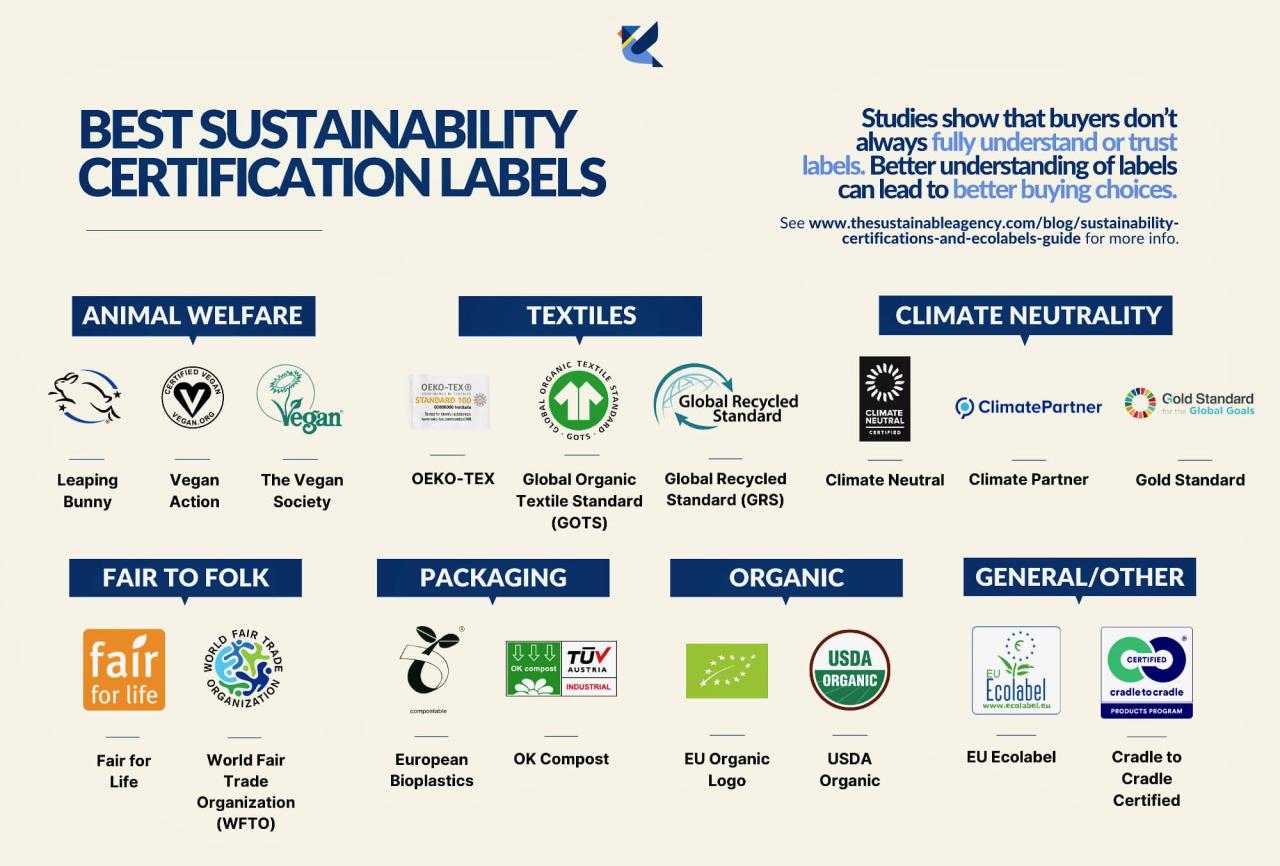
In conclusion, Green Business Certifications play a pivotal role in fostering trust with consumers and stakeholders, while also contributing to a company’s overall sustainability goals. By embracing these certifications, businesses can not only boost their reputation but also make a positive impact on the environment.
Questions and Answers
What are the benefits of Green Business Certifications?
Green Business Certifications help build trust with consumers, enhance reputation, and contribute to sustainability goals.
How can businesses streamline the certification process?
Businesses can streamline the process by ensuring proper documentation, compliance with standards, and efficient application procedures.
Which companies have successfully leveraged Green Business Certifications?
Companies like Company X and Company Y have effectively used certifications to enhance their reputation and credibility.