
Diving into the realm of Remote Business Models with Scalable Income Streams, we uncover a world where businesses operate beyond traditional boundaries, harnessing the power of technology to create sustainable and scalable income sources. As we navigate through this topic, we’ll unravel the intricacies of remote models and how they pave the way for financial growth and flexibility.
In the following sections, we’ll delve into the advantages, types of income streams, strategies for building scalability, and challenges faced by businesses embracing this innovative approach.
Introduction to Remote Business Models with Scalable Income Streams
A remote business model is a type of business structure where operations are conducted entirely online or from a distance, allowing for flexibility and accessibility. This model enables businesses to reach a global audience without the need for a physical location, making it cost-effective and efficient.
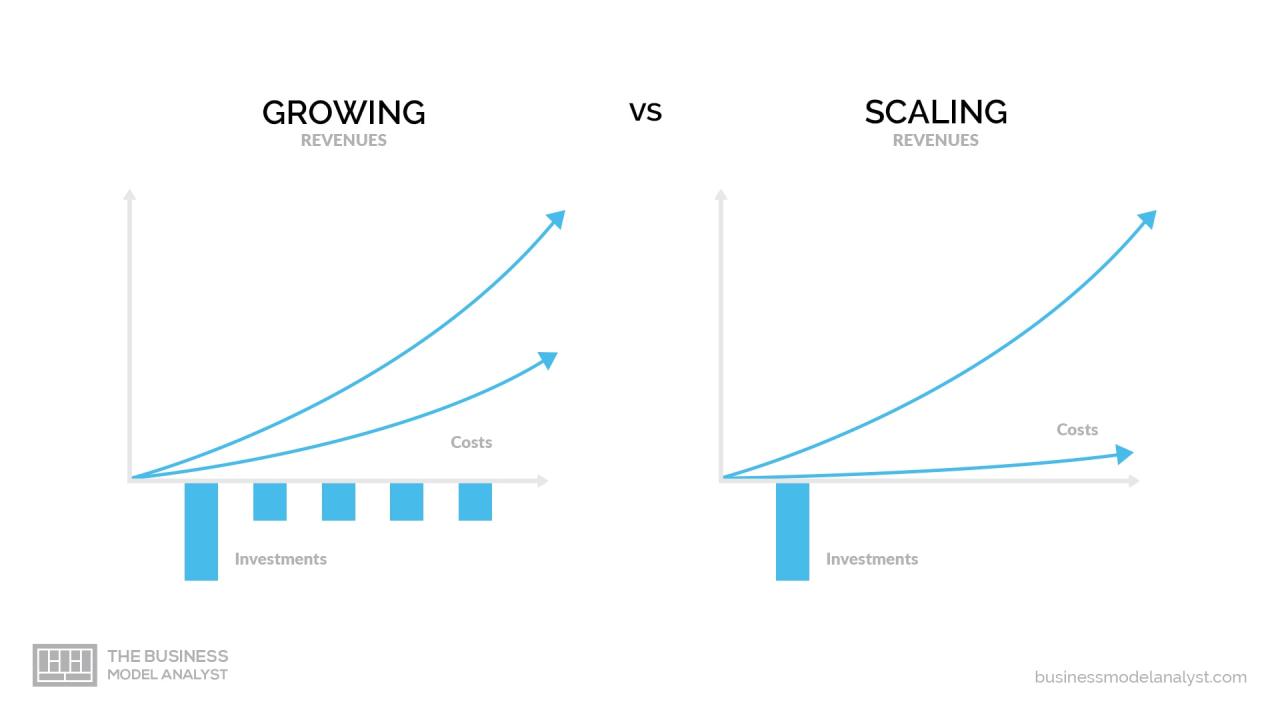
Scalable income streams refer to revenue streams that have the potential to grow rapidly without a proportional increase in costs. This allows businesses to increase their income exponentially as they expand their operations, leading to significant profit margins.
Examples of Successful Businesses with Remote Models and Scalable Income Streams
- 1. Amazon:The e-commerce giant operates primarily online, with a vast network of sellers and products. Its scalable income streams come from various sources such as Amazon Prime subscriptions, advertising, and cloud services.
- 2. Netflix:A popular streaming service that delivers content to subscribers worldwide, Netflix’s remote model allows it to reach a global audience. Its scalable income streams are generated through monthly subscriptions that increase as the user base grows.
- 3. Shopify:An e-commerce platform that enables businesses to set up online stores, Shopify’s remote model provides a scalable income stream through monthly subscription fees and transaction fees from sales made on the platform.
Advantages of Remote Business Models
Remote business models offer numerous benefits that can lead to cost savings, increased efficiency, and enhanced scalability.
Cost Savings
Operating a business remotely eliminates the need for physical office space, reducing expenses related to rent, utilities, and maintenance. Additionally, remote businesses can tap into a global talent pool, allowing them to hire skilled professionals from around the world without incurring relocation costs.
Increased Efficiency
Remote work allows employees to have more flexibility in managing their schedules, leading to higher productivity levels. With fewer distractions and no time wasted on commuting, employees can focus on their tasks and deliver results more efficiently. Communication tools and project management software also facilitate seamless collaboration among team members, regardless of their physical location.
Enhanced Scalability
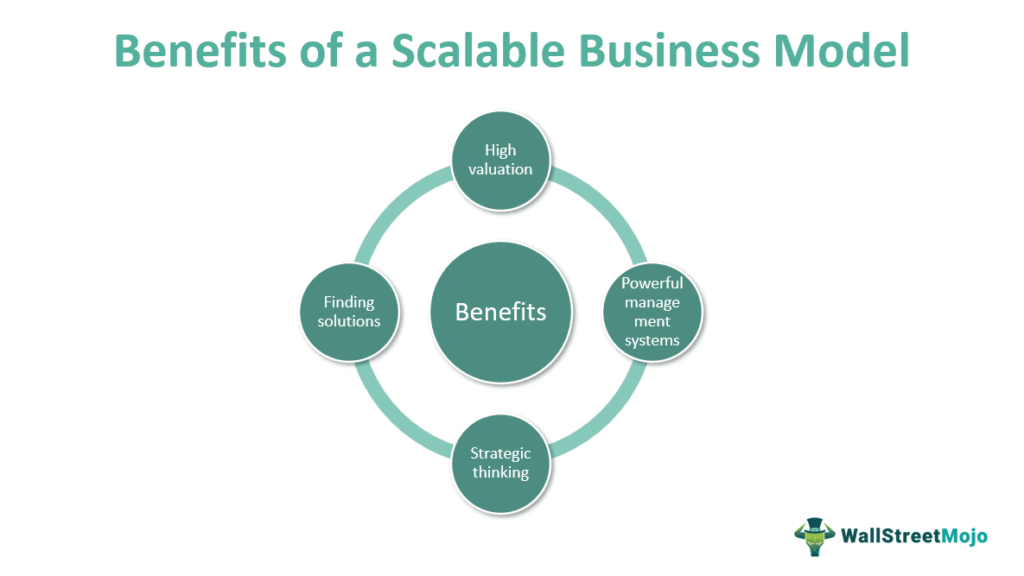
Remote business models can easily adapt to changing market conditions and scale operations rapidly. By leveraging cloud-based technologies and outsourcing services, remote businesses can quickly expand their reach and increase their capacity to serve more customers. This scalability is essential for meeting growing demand and staying competitive in today’s fast-paced business environment.
Types of Scalable Income Streams in Remote Businesses
Remote businesses have the advantage of leveraging various income streams that can be scaled to increase revenue and profitability. Diversifying income sources is crucial for long-term sustainability and growth. Let’s explore some of the common types of scalable income streams in remote models.
Subscription-Based Services
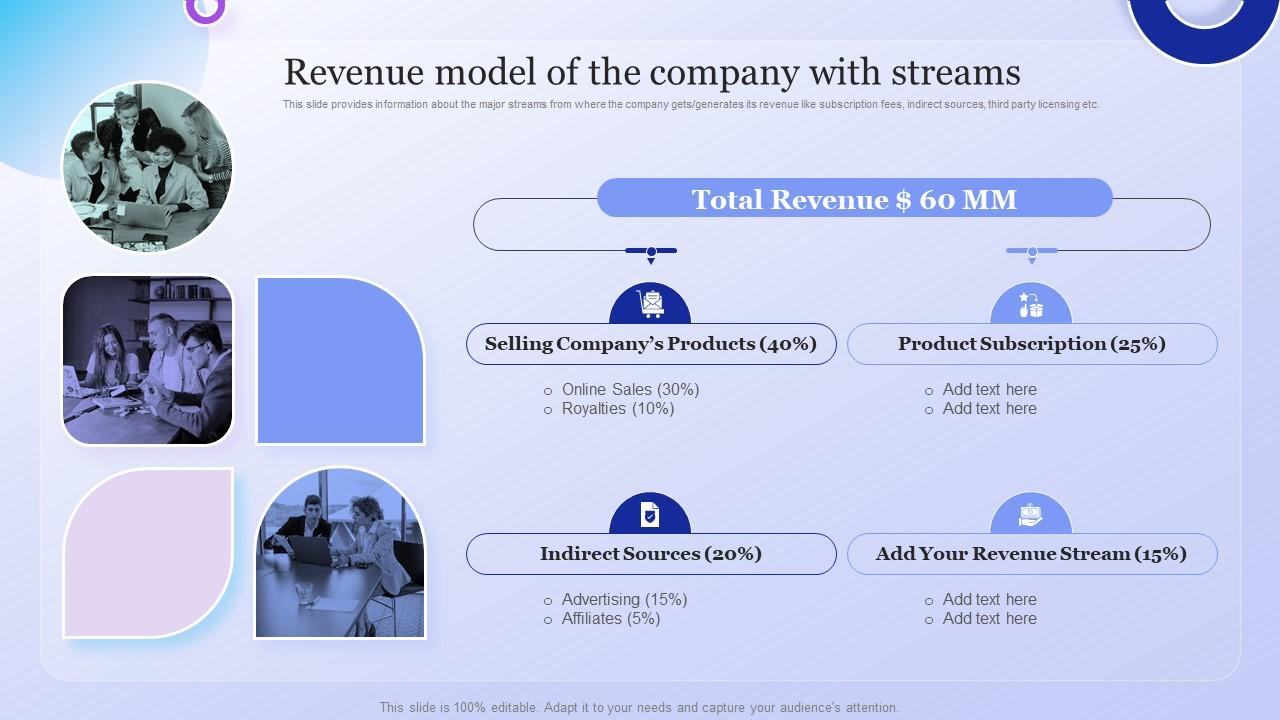
Subscription-based services offer a recurring revenue model where customers pay a periodic fee for access to a product or service. Examples include streaming platforms like Netflix, software services like Adobe Creative Cloud, and subscription boxes like Birchbox. By providing continuous value to customers, remote businesses can generate predictable income streams that can be scaled over time.
Affiliate Marketing
Affiliate marketing involves promoting other companies’ products or services and earning a commission for each sale or lead generated through your referral. Remote businesses can partner with affiliate programs relevant to their niche and audience to earn passive income. Examples include Amazon Associates, ClickBank, and ShareASale.
By diversifying affiliate partnerships, remote businesses can increase their revenue potential.
Online Courses and Digital Products
Creating and selling online courses, e-books, templates, or digital products is another scalable income stream for remote businesses. Once the initial product is developed, it can be sold to an unlimited number of customers without significant additional costs. Platforms like Teachable, Gumroad, and Etsy provide avenues for remote entrepreneurs to monetize their expertise and creativity.
Advertising and Sponsorships
Monetizing website traffic or social media following through advertising and sponsorships is a scalable income stream for remote businesses. By partnering with brands for sponsored content or displaying ads on their platforms, remote entrepreneurs can generate revenue based on the volume of traffic or engagement.
Platforms like Google AdSense, Mediavine, and sponsored content networks offer opportunities for remote businesses to monetize their online presence.
Consulting and Freelancing
Offering consulting services or freelancing expertise in a specific field is a scalable income stream for remote professionals. By leveraging their skills and experience, remote consultants and freelancers can attract clients globally and charge premium rates for their services. Platforms like Upwork, Freelancer, and Clarity.fm connect remote professionals with clients seeking their expertise, enabling them to scale their income based on demand.
Strategies for Building Scalable Income Streams in a Remote Business
Building scalable income streams in a remote business is essential for long-term success and growth. By implementing the right strategies, businesses can increase their revenue potential and achieve sustainable profitability.
Steps to Create and Implement Scalable Income Streams
- Identify high-demand products or services that can be easily replicated or automated.
- Develop a system for delivering these products or services efficiently and consistently.
- Utilize technology to streamline processes and reduce manual labor.
- Create a marketing strategy to reach a wider audience and attract more customers.
- Regularly review and optimize your income streams to ensure continued scalability.
Importance of Automation and Outsourcing in Scaling Income Streams
Automation and outsourcing play a crucial role in scaling income streams in a remote business. By automating repetitive tasks and outsourcing non-core activities, businesses can free up time and resources to focus on growth and innovation. This allows for greater efficiency, cost savings, and scalability in the long run.
Share Tips for Leveraging Technology to Optimize Income Stream Scalability
- Invest in cloud-based software solutions to streamline operations and improve collaboration among remote team members.
- Utilize data analytics tools to track performance metrics and identify areas for improvement in your income streams.
- Implement customer relationship management (CRM) systems to enhance customer engagement and retention.
- Explore e-commerce platforms to expand your reach and increase sales opportunities.
- Stay updated on emerging technologies and trends to stay ahead of the competition and maximize income stream scalability.
Challenges and Solutions in Remote Business Models with Scalable Income Streams
In remote business models with scalable income streams, there are several challenges that organizations may encounter when trying to expand their revenue sources. It is crucial to address these challenges effectively to ensure sustainable growth and success in a remote business setting.
Common Challenges Faced by Remote Businesses in Scaling Income Streams
Remote businesses often face the following challenges when it comes to scaling their income streams:
- Limited Resources: Remote businesses may have limited resources in terms of capital, manpower, and infrastructure, making it challenging to invest in new income streams.
- Market Saturation: In competitive markets, remote businesses may struggle to differentiate their offerings and attract new customers, impacting their ability to scale income streams.
- Technological Barriers: Adopting new technologies and platforms for expanding income streams can be complex and costly for remote businesses.
- Communication and Collaboration: Remote teams may face challenges in effective communication and collaboration, hindering the development and implementation of scalable income streams.
Solutions to Address Scalability Challenges in a Remote Business Setting
To overcome scalability challenges in remote business models, organizations can consider the following solutions:
- Strategic Planning: Develop a comprehensive strategy for scaling income streams, considering market trends, customer needs, and technological advancements.
- Investment in Technology: Allocate resources to invest in technology infrastructure that supports the development and implementation of new income streams.
- Talent Development: Provide training and development opportunities for remote teams to enhance their skills in managing scalable income streams.
- Partnerships and Collaborations: Explore partnerships with other businesses or service providers to expand income streams and reach new markets.
Role of Adaptability and Innovation in Overcoming Obstacles to Scalability
Adaptability and innovation play a crucial role in overcoming obstacles to scalability in remote business models. Organizations that can adapt to changing market conditions, consumer preferences, and technological advancements are better positioned to scale their income streams effectively. By fostering a culture of innovation and encouraging creative thinking, remote businesses can identify new opportunities for growth and develop innovative solutions to address scalability challenges.
Closure
In conclusion, Remote Business Models with Scalable Income Streams offer a dynamic landscape for entrepreneurs to thrive in the digital age. By understanding and implementing the concepts discussed, businesses can position themselves for long-term success and adaptability in an ever-evolving market.
FAQs
How can I start a remote business model?
To start a remote business model, you can begin by identifying your niche, setting up a virtual workspace, and leveraging online tools for communication and collaboration.
What are some examples of scalable income streams in remote businesses?
Examples of scalable income streams in remote businesses include digital products, online courses, subscription services, and affiliate marketing.
How can remote businesses overcome scalability challenges?
Remote businesses can overcome scalability challenges by focusing on automation, outsourcing non-core tasks, and continuously innovating their products or services to meet evolving market demands.