Diving into the realm of Tax-Friendly Countries for International Businesses, this introduction sets the stage for a captivating exploration of the topic. It sheds light on the significance of choosing the right tax-friendly country and the key factors that make them attractive for businesses worldwide.
Moving forward, we’ll delve deeper into the types of taxes, incentives, and legal environments that define these countries, providing valuable insights for international business operations.
Overview of Tax-Friendly Countries for International Businesses
When we talk about tax-friendly countries for international businesses, we are referring to nations that offer attractive tax incentives, low corporate tax rates, and other benefits to encourage foreign businesses to establish operations within their borders.
Choosing a tax-friendly country for business operations is crucial for companies looking to optimize their financial performance and minimize tax liabilities. By setting up in a country with favorable tax policies, businesses can potentially increase their profits, reinvest more capital into their operations, and expand their global reach more efficiently.
Factors that Make a Country Tax-Friendly for International Businesses
- Low Corporate Tax Rates: Countries with low corporate tax rates are often considered attractive for international businesses as they can retain a larger portion of their earnings.
- Tax Incentives and Exemptions: Nations that offer tax incentives, exemptions, or special economic zones can help businesses save on taxes and operating costs.
- Stable Tax Policies: Consistency and predictability in tax regulations create a favorable business environment, allowing companies to plan their finances effectively.
- Double Taxation Treaties: Countries that have agreements to prevent double taxation with other nations provide clarity on tax obligations for international businesses operating across borders.
- Access to Skilled Workforce: Tax-friendly countries with a skilled workforce can help businesses thrive and grow by attracting top talent.
Types of Taxes in Tax-Friendly Countries
When considering tax-friendly countries for international businesses, it is essential to understand the different types of taxes that may apply. These typically include corporate tax, value-added tax (VAT), and personal income tax. Each tax has its own implications for businesses operating in these countries.
Corporate Tax
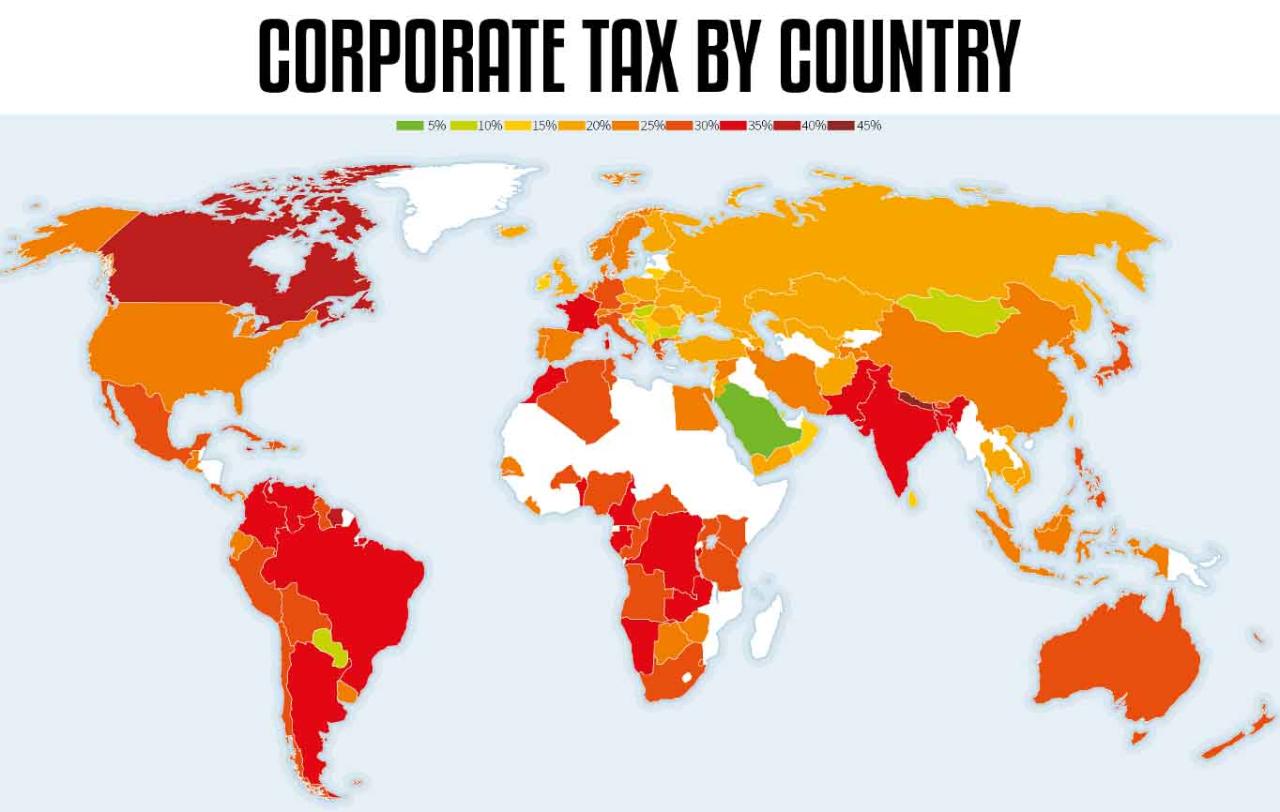
Corporate tax is a tax imposed on the profits of businesses. In tax-friendly countries, the corporate tax rates are often lower compared to other countries, making them attractive for international businesses looking to maximize their profits. For example, countries like Ireland and Singapore are known for their low corporate tax rates, which has led to an influx of multinational companies establishing their presence there.
Value-Added Tax (VAT)
Value-Added Tax (VAT) is a consumption tax levied on goods and services at each stage of the supply chain. In tax-friendly countries, the VAT rates may vary, but they are generally structured in a way that minimizes the burden on businesses.
For example, countries like Switzerland and Luxembourg have relatively low VAT rates, making them appealing for businesses that rely on consumer spending.
Personal Income Tax
Personal income tax is a tax levied on individuals’ income by the government. In tax-friendly countries, the personal income tax rates are often competitive, attracting skilled expatriates and entrepreneurs to relocate. Countries like the United Arab Emirates and Qatar are known for their zero personal income tax policies, making them popular choices for international professionals seeking tax efficiency.
Comparison of Tax Rates
When comparing tax-friendly countries, it is essential to consider the overall tax burden on businesses. While some countries may have low corporate tax rates, they may offset this with higher VAT rates or personal income tax rates. Businesses need to evaluate the tax system as a whole to determine the most favorable environment for their operations.
Conducting a comprehensive analysis of tax rates and incentives is crucial for making informed decisions when expanding internationally.
Tax Incentives and Benefits in Tax-Friendly Countries
Tax-friendly countries often provide various tax incentives to attract international businesses, such as tax holidays, exemptions, and reduced tax rates. These incentives can significantly benefit businesses in terms of cost savings, increased cash flow, and operational advantages.
Tax Holidays and Exemptions
One of the most common tax incentives offered by tax-friendly countries is tax holidays, where businesses are exempt from paying certain taxes for a specific period. This allows companies to reinvest the saved money into their operations, leading to business growth and expansion.
Reduced Tax Rates
In addition to tax holidays, tax-friendly countries may also offer reduced tax rates for international businesses. This can result in lower tax liabilities, higher profits, and improved competitiveness in the global market. By taking advantage of these reduced tax rates, businesses can allocate more resources towards innovation, research, and development.
Success Stories
One successful case is Ireland, known for its low corporate tax rate of 12.5%. Many multinational companies have established their European headquarters in Ireland to benefit from this favorable tax environment. Companies like Apple, Google, and Facebook have leveraged Ireland’s tax incentives to minimize their tax burdens and maximize profits.
Legal and Regulatory Environment in Tax-Friendly Countries
The legal and regulatory environment in tax-friendly countries plays a crucial role in facilitating international business activities. These countries often have frameworks that are designed to attract foreign investment by offering favorable conditions for businesses to operate.
Ease of Doing Business
In tax-friendly countries, the ease of doing business is often high due to streamlined processes, efficient government services, and business-friendly regulations. This allows companies to set up and operate smoothly, reducing bureaucratic hurdles and saving valuable time and resources.
Compliance Requirements
Tax-friendly countries typically have clear and transparent compliance requirements for businesses. This clarity helps companies understand their obligations and ensures they can operate within the legal framework without facing unexpected challenges or penalties. Compliance is essential for maintaining a positive business environment and fostering trust between businesses and the government.
Legal Protections for Businesses
Businesses operating in tax-friendly countries benefit from strong legal protections that safeguard their interests. These protections may include intellectual property rights, contract enforcement mechanisms, and dispute resolution procedures. Having robust legal safeguards in place gives businesses confidence to invest and expand in these countries, knowing that their rights are respected and upheld.
Overall Attractiveness for International Businesses
The legal environment in tax-friendly countries significantly contributes to their overall attractiveness for international businesses. By providing a stable and supportive legal framework, these countries create a conducive environment for businesses to thrive and grow. The predictability and reliability of the legal system enhance investor confidence and encourage long-term commitments from multinational corporations.
Closing Summary

In conclusion, Tax-Friendly Countries offer a plethora of opportunities and advantages for international businesses looking to optimize their operations. By understanding the tax landscape, incentives, and legal frameworks in these countries, businesses can make informed decisions that drive growth and success.
FAQ Corner
What makes a country tax-friendly for international businesses?
A country is considered tax-friendly for international businesses when it offers low tax rates, tax incentives, and a favorable legal and regulatory environment for conducting business activities.
What types of taxes do businesses need to consider in tax-friendly countries?
Businesses need to consider corporate tax, value-added tax (VAT), and personal income tax in tax-friendly countries. Each type of tax can impact the overall cost structure and profitability of the business.
How do tax incentives benefit businesses in tax-friendly countries?
Tax incentives such as tax holidays and exemptions can help businesses save costs, improve cash flow, and gain competitive advantages. By leveraging these incentives, businesses can enhance their operational efficiency and profitability.