Embark on a journey through the realm of Cloud-Based Business Infrastructure for Startups, where innovation meets practicality to drive success. As startups navigate the intricate landscape of modern business, harnessing the power of cloud-based solutions becomes paramount for achieving agility, scalability, and cost-effectiveness.
Unveiling the key aspects of cloud-based infrastructure tailored for startups, this exploration delves into the core features, security measures, migration strategies, and more, offering a comprehensive guide for entrepreneurs embarking on their business ventures.
Importance of Cloud-Based Business Infrastructure
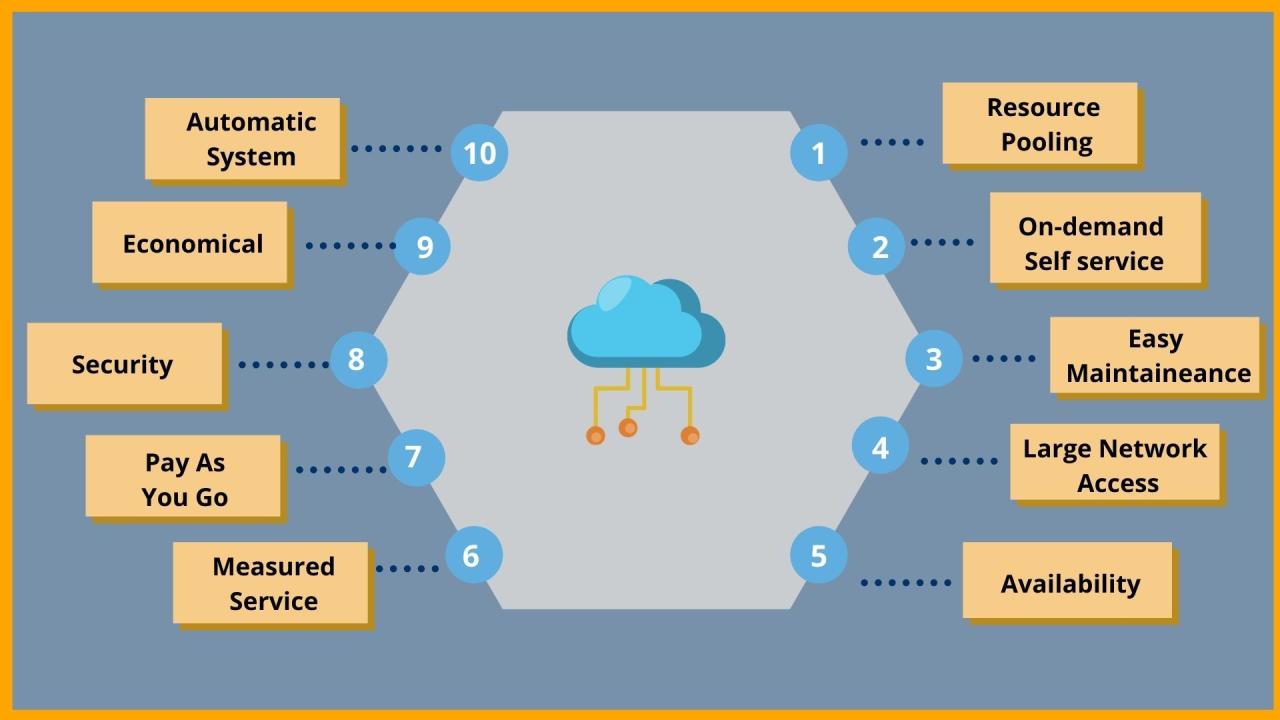
Using cloud-based infrastructure for startups offers numerous benefits that can significantly impact their growth and success. One of the key advantages is scalability, allowing startups to easily expand their operations as needed without the constraints of physical hardware limitations. Additionally, cloud-based solutions provide flexibility, enabling teams to work remotely and access important data and applications from anywhere with an internet connection.
Benefits of Cloud-Based Solutions
- Cost-Effective: Cloud-based infrastructure eliminates the need for expensive hardware investments and maintenance, reducing upfront costs for startups.
- Scalability: Startups can quickly scale their operations up or down based on demand, without the need to invest in additional physical infrastructure.
- Improved Collaboration: Cloud-based tools facilitate seamless collaboration among team members, regardless of their location, leading to increased productivity and efficiency.
Examples of Cloud-Based Solutions for Startups
- Amazon Web Services (AWS): AWS provides a wide range of cloud services that startups can leverage to build and scale their businesses rapidly. Companies like Airbnb and Slack have successfully used AWS to support their growth.
- Google Cloud Platform: Startups like Spotify and Snapchat have utilized Google Cloud Platform to handle their data storage, processing, and analytics needs, allowing them to focus on innovation and expansion.
Cost-Effectiveness of Cloud-Based Infrastructure
- Pay-Per-Use Model: Cloud-based services operate on a pay-as-you-go model, allowing startups to only pay for the resources they use, making it a cost-effective solution compared to traditional IT setups.
- Reduced IT Maintenance Costs: By outsourcing infrastructure management to cloud service providers, startups can save on IT maintenance costs and redirect resources towards core business activities.
Key Features of Cloud-Based Business Infrastructure
When looking for cloud-based infrastructure for startups, it is essential to consider key features that can impact the success and growth of the business. Here are some important factors to consider:
Essential Features for Startups
- Scalability: Cloud infrastructure should allow startups to easily scale up or down based on their business needs. This flexibility is crucial for adapting to changing demands and growth opportunities.
- Data Security: Ensure that the cloud service provider offers robust security measures to protect sensitive business data and customer information. Look for encryption, access controls, and regular security updates.
- Reliability: Choose a cloud provider with a proven track record of uptime and reliability. Downtime can be costly for startups, so it is important to select a provider that offers high availability.
- Cost-Effectiveness: Opt for a cloud infrastructure that offers transparent pricing models and cost-effective solutions for startups. Avoid hidden fees and choose a provider that aligns with your budget.
Comparison of Cloud Service Providers
There are several cloud service providers in the market, each offering unique features and services for startups. It is important to compare providers based on factors such as pricing, scalability options, security measures, and customer support. Some popular cloud providers for startups include Amazon Web Services (AWS), Microsoft Azure, and Google Cloud Platform.
Scalability and Flexibility for Growing Businesses
- Cloud-based infrastructure offers startups the ability to scale their operations seamlessly as they grow. Whether it’s expanding to new markets, adding more users, or launching new products, the cloud provides the flexibility to adapt quickly.
- By utilizing cloud services, startups can easily adjust their resources based on demand, avoiding the need to invest in costly infrastructure upgrades or maintenance. This scalability helps businesses stay agile and competitive in a rapidly changing market.
Security Measures in Cloud-Based Business Infrastructure
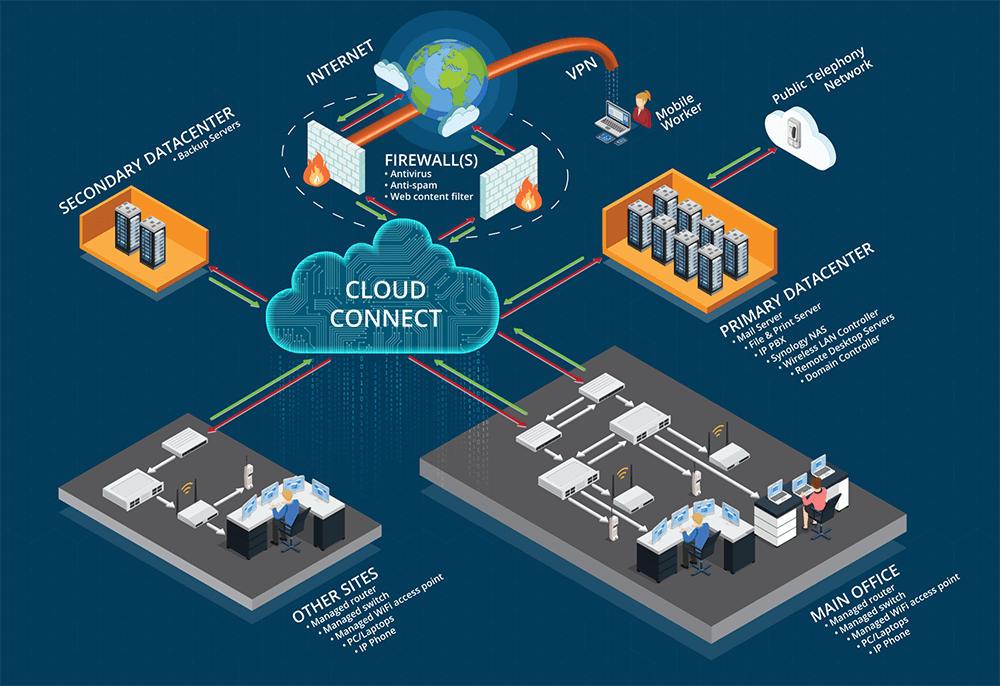
When it comes to utilizing cloud-based business infrastructure, security is a top priority. Implementing robust security measures is essential to protect sensitive data and ensure the smooth operation of your business.
Encryption Methods for Data Security
- One common encryption method used to secure data on cloud servers is AES (Advanced Encryption Standard). AES encrypts data with a symmetric key algorithm, making it unreadable without the corresponding decryption key.
- Another encryption technique is RSA (Rivest-Shamir-Adleman), which uses a public-private key pair to encrypt and decrypt data. This method is often used for securing data transmission over the internet.
- TLS (Transport Layer Security) is also crucial for securing data in transit between the client and the cloud server. It encrypts the communication channel to prevent unauthorized access.
Importance of Regular Security Audits and Updates
Regular security audits and updates are vital to maintaining the integrity of cloud-based systems. These measures help identify and address vulnerabilities before they can be exploited by malicious actors. By staying up-to-date with security patches and conducting thorough audits, businesses can mitigate risks and protect their valuable data from cyber threats.
Implementation and Migration to Cloud-Based Infrastructure
When it comes to migrating a startup’s infrastructure to the cloud, there are several important steps to consider. It is crucial to ensure a smooth transition and successful implementation of cloud-based solutions in a startup environment. Let’s explore the best practices and tips for achieving this.
Steps for Migrating to Cloud-Based Infrastructure:
- Evaluate Current Infrastructure: Conduct a thorough assessment of your current infrastructure to determine what can be migrated to the cloud and what needs to be restructured.
- Choose the Right Cloud Service Provider: Select a reliable and secure cloud service provider that aligns with your startup’s needs and budget.
- Plan the Migration Process: Develop a detailed migration plan outlining timelines, resources, and potential challenges to be addressed during the transition.
- Execute the Migration: Begin migrating data, applications, and processes to the cloud according to the established plan, ensuring minimal disruption to operations.
- Test and Optimize: Conduct thorough testing of the cloud infrastructure to identify any issues and optimize performance for maximum efficiency.
Best Practices for Implementing Cloud-Based Solutions:
- Start Small and Scale: Begin with a pilot project or a specific workload to test the cloud infrastructure before scaling up gradually.
- Train Your Team: Provide training and support to your team members to ensure they are familiar with cloud technologies and best practices for implementation.
- Monitor Performance: Implement monitoring tools to track the performance of your cloud infrastructure and identify areas for improvement.
- Ensure Data Security: Implement robust security measures to protect sensitive data stored in the cloud and comply with industry regulations.
Tips for a Smooth Transition to Cloud-Based Operations:
- Communicate Transparently: Keep your team informed about the migration process and address any concerns or questions they may have.
- Backup Data: Prior to migration, ensure all data is backed up securely to prevent any loss during the transition.
- Seek Expert Assistance: Consider consulting with cloud experts or hiring professionals to assist with the migration process for a seamless transition.
- Monitor Progress: Continuously monitor the progress of the migration to address any issues promptly and ensure a successful transition.
Last Recap
In conclusion, Cloud-Based Business Infrastructure for Startups emerges as a transformative force reshaping the entrepreneurial landscape. By embracing the flexibility, security, and innovation inherent in cloud solutions, startups can position themselves for sustainable growth and competitive advantage in a dynamic market environment.
FAQ Insights
How can cloud-based infrastructure benefit startups?
Cloud-based infrastructure offers startups scalability, flexibility, and cost-effectiveness, enabling rapid growth and efficient resource utilization.
What security measures are crucial for protecting data in the cloud?
Encryption methods, regular security audits, and robust protocols are essential to safeguard sensitive data stored on cloud servers.
What steps are involved in migrating a startup’s infrastructure to the cloud?
The migration process typically includes assessing current infrastructure, selecting a cloud provider, data transfer, and implementation of cloud-based solutions.