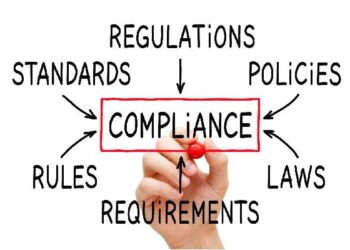
Delving into European Union Laws Every Online Business Must Know, this introduction immerses readers in a unique and compelling narrative. Understanding the legal landscape is crucial for online businesses operating in the EU, as regulations can significantly impact their operations and compliance.
This guide aims to shed light on key laws that every online business must be aware of to navigate successfully in the digital market.
From data protection to consumer rights, the EU has established a robust framework that online businesses must adhere to. Let’s explore the essential regulations that shape the online business environment in the European Union.
Overview of European Union Laws for Online Businesses
Understanding European Union laws is crucial for online businesses operating within the EU market. Compliance with these laws ensures that businesses are operating legally and ethically, protecting both consumers and businesses themselves.
Key EU Regulations Impacting Online Businesses
- The General Data Protection Regulation (GDPR): This regulation governs the collection and processing of personal data of individuals within the EU. Non-compliance can result in hefty fines.
- The e-Commerce Directive: This directive establishes rules for online service providers, including transparency requirements and liability exemptions. Failure to comply can lead to legal consequences.
- The Consumer Rights Directive: This directive Artikels consumer rights in online transactions, such as the right to clear information and a 14-day return period. Violations can damage a business’s reputation.
Consequences of Non-Compliance with EU Laws for Online Businesses
Failure to comply with EU laws can have serious repercussions for online businesses. This includes fines, legal actions, reputational damage, loss of customer trust, and ultimately, the closure of the business. It is essential for online businesses to stay informed and adhere to EU regulations to avoid these consequences.
General Data Protection Regulation (GDPR)
The General Data Protection Regulation (GDPR) is a comprehensive data privacy law that applies to businesses operating within the European Union or handling the personal data of EU residents. It aims to protect the personal information of individuals and regulate how businesses collect, process, and store such data.
Requirements of GDPR for Online Businesses
- Obtain clear consent from individuals before collecting their personal data.
- Only collect data that is necessary for the intended purpose.
- Ensure the security and confidentiality of the data being processed.
- Provide individuals with access to their data and the ability to request its deletion.
Examples of Personal Data under GDPR
- Names
- Email addresses
- Physical addresses
- IP addresses
- Financial information
Penalties for GDPR Violations by Online Businesses
Online businesses that fail to comply with the GDPR may face significant penalties, including fines of up to €20 million or 4% of the company’s global annual revenue, whichever is higher. These penalties are imposed to ensure that businesses prioritize the protection of personal data and uphold the rights of individuals under the GDPR.
E-commerce Directive
The E-commerce Directive plays a crucial role in regulating online businesses within the European Union, providing a legal framework for electronic commerce activities.
Key Provisions of the E-commerce Directive
- The E-commerce Directive establishes that online service providers are not liable for illegal activities conducted by users on their platforms, as long as they act as intermediaries and promptly remove any illegal content upon notification.
- It promotes the free movement of online services within the EU, ensuring that businesses can operate across borders without facing unjustified restrictions.
- The Directive requires online businesses to provide certain information to consumers, such as details about the company, contact information, and pricing.
- It establishes rules on commercial communications, electronic contracts, and online advertising to protect consumers and ensure fair business practices.
Liability Exemptions Provided by the E-commerce Directive
- The E-commerce Directive grants liability exemptions to online service providers in cases where they are mere conduits, caching providers, or hosting providers, shielding them from legal responsibility for content transmitted or stored on their platforms.
- However, to benefit from these exemptions, online businesses must act expeditiously to remove or disable access to illegal content once they become aware of its existence.
- The Directive aims to strike a balance between fostering innovation and creativity in the digital economy while safeguarding the rights and interests of consumers and other stakeholders.
Consumer Rights Directive
The Consumer Rights Directive is a key piece of legislation in the European Union that aims to protect consumers when making purchases online. It Artikels specific rights that consumers have when shopping on e-commerce platforms and ensures a certain level of transparency and fairness in transactions.
Consumer Rights Protected
- Right to clear and transparent information about the product or service being offered.
- Right to a 14-day cooling-off period for most online purchases, allowing consumers to return goods for a full refund.
- Right to a full refund if the product is faulty or not as described.
- Right to cancel an order within a set timeframe without giving a reason.
Comparison with Other Regions
- In the EU, consumer rights are more robust and comprehensive compared to other regions such as the United States, where regulations vary by state.
- The Consumer Rights Directive ensures a high level of protection for online shoppers in the EU, setting a standard that is not always matched in other parts of the world.
Compliance for Online Businesses
- Provide clear and accurate information about products or services, including pricing, delivery times, and return policies.
- Offer a 14-day return period for most purchases, allowing consumers to change their minds without penalty.
- Ensure that refund policies are clearly communicated and easily accessible to consumers.
- Implement secure payment systems to protect consumer data and prevent fraud.
Payment Services Directive (PSD2)

The Payment Services Directive (PSD2) is a European Union regulation that aims to make online payments more secure and increase competition in the payment services market.
Impact of PSD2 on online payment services
The PSD2 has had a significant impact on online payment services by introducing new requirements to enhance security and protect consumers. One of the key provisions of PSD2 is the implementation of Strong Customer Authentication (SCA).
Strong Customer Authentication (SCA) requirements of PSD2
SCA is a two-factor authentication process that requires customers to provide two out of three types of identification factors: something they know (e.g., password), something they have (e.g., mobile phone), and something they are (e.g., fingerprint). This helps to prevent fraudulent transactions and increase the security of online payments.
Examples of implementing SCA for PSD2 compliance
- Implementing two-factor authentication at the checkout process, requiring customers to enter a one-time code sent to their mobile phones.
- Using biometric authentication methods such as fingerprint or facial recognition for verifying customer identity.
- Utilizing tokenization to generate unique tokens for each transaction, adding an extra layer of security.
Copyright Directive
The Copyright Directive is a set of laws aimed at modernizing copyright rules in the European Union to adapt to the digital age. It has several key provisions that online businesses must be aware of in order to comply with copyright regulations and protect intellectual property rights.
Key Provisions of the Copyright Directive
- Article 17 (formerly Article 13) – Platforms such as YouTube, Facebook, and Instagram are responsible for ensuring that copyrighted content uploaded by users is properly licensed or removed.
- Link Tax – Article 15 requires online platforms to pay publishers for linking to their news articles.
- User-generated Content – Platforms are required to implement measures to prevent the unauthorized sharing of copyrighted material.
Challenges Faced by Online Businesses
- Implementing Content Filtering Systems – Online platforms need to invest in sophisticated content filtering systems to comply with the directive, which can be costly and complex.
- Negotiating Licenses – Obtaining licenses for copyrighted content can be time-consuming and expensive, especially for smaller businesses.
- Balancing Freedom of Expression – Ensuring compliance with the directive while also respecting users’ rights to freedom of expression can be a challenge for online businesses.
Protecting Copyrighted Content in Compliance with the Directive
- Implementing Copyright Policies – Online businesses should have clear policies in place for handling copyrighted material, including guidelines for user-generated content.
- Obtaining Licenses – It is essential for online businesses to obtain proper licenses for any copyrighted material they use on their platforms to avoid legal issues.
- Monitoring and Enforcement – Regularly monitoring and enforcing copyright policies can help online businesses protect their intellectual property and comply with the directive.
Ending Remarks
In conclusion, European Union laws play a vital role in shaping the online business landscape. Compliance is not just a legal requirement but also a strategic advantage that builds trust with customers and ensures sustainable growth. By staying informed and proactive in adhering to these laws, online businesses can thrive in a dynamic and competitive digital economy.
Frequently Asked Questions
What are the penalties for non-compliance with GDPR?
Non-compliance with GDPR can result in fines of up to €20 million or 4% of the company’s global annual turnover, whichever is higher.
How can online businesses protect copyrighted content under the Copyright Directive?
Online businesses can protect copyrighted content by obtaining proper licenses, monitoring for infringements, and implementing content protection measures on their platforms.
What is strong customer authentication (SCA) under PSD2?
SCA is a requirement under PSD2 that mandates additional security measures for online payments, ensuring that customers are authenticated using at least two independent factors.