Exploring the Regulatory Challenges for E-Businesses in Europe unveils a labyrinth of rules and guidelines that companies must navigate to thrive in the digital landscape. From data protection to cross-border commerce, this topic delves into the intricacies of e-business operations in the European market.
As we delve deeper into the specifics, we uncover key regulations, compliance requirements, and innovative solutions that shape the e-business environment in Europe.
Overview of Regulatory Challenges for E-Businesses in Europe
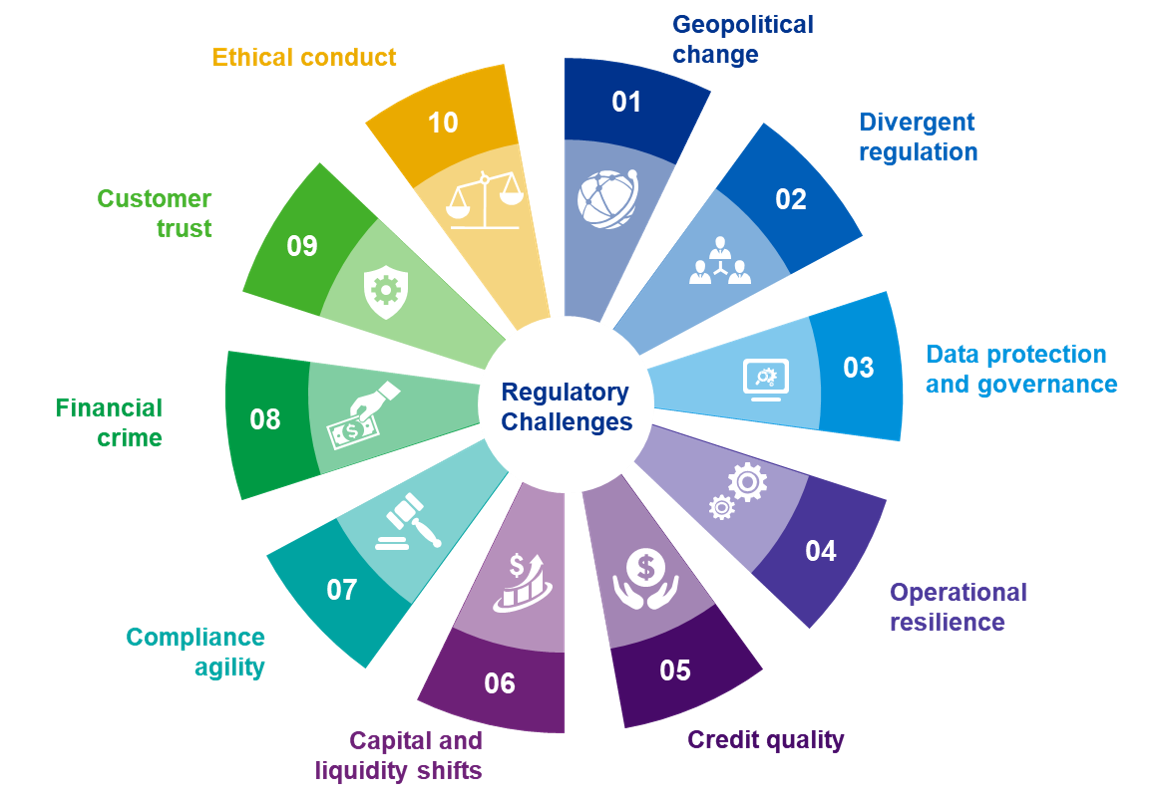
When it comes to operating e-businesses in Europe, companies face a complex regulatory landscape that requires careful navigation to ensure compliance and avoid penalties.
Key regulatory bodies that govern e-business operations in Europe include the European Union’s General Data Protection Regulation (GDPR), the e-Commerce Directive, and various national regulatory authorities in EU member states.
Compliance with regulations is crucial for e-businesses in Europe to protect consumer data, ensure fair competition, and maintain trust with customers. Failure to comply can result in hefty fines, legal action, and damage to a company’s reputation.
Challenges Faced by E-Businesses in Europe
- GDPR Compliance: E-businesses must adhere to strict data protection regulations Artikeld in the GDPR, requiring transparency in data processing and obtaining user consent.
- Cross-Border Operations: Operating in multiple EU countries means dealing with different regulations, languages, and consumer preferences, adding complexity to e-business operations.
- Taxation Rules: E-businesses must navigate varying tax laws across different EU member states, including VAT regulations and digital tax initiatives.
- Consumer Rights: E-businesses need to ensure compliance with consumer protection laws, such as refund policies, product warranties, and transparent pricing.
GDPR Compliance for E-Businesses
Ensuring compliance with the General Data Protection Regulation (GDPR) is crucial for e-businesses operating in Europe. GDPR is a set of regulations designed to protect the personal data of individuals within the European Union (EU) and European Economic Area (EEA).
Specific Requirements for GDPR Compliance
E-businesses must adhere to certain requirements to ensure GDPR compliance, such as:
- Obtaining explicit consent from individuals before collecting their personal data.
- Implementing measures to secure and protect personal data from unauthorized access or breaches.
- Providing individuals with the right to access, rectify, and delete their personal data upon request.
- Appointing a Data Protection Officer (DPO) to oversee GDPR compliance within the organization.
Examples of GDPR-Compliant Practices
Here are some examples of how e-businesses can implement GDPR-compliant practices in their operations:
- Privacy Policy:Clearly Artikel how personal data is collected, processed, and stored in a transparent manner.
- Data Minimization:Only collect the necessary data required for the intended purpose and avoid unnecessary data processing.
- Consent Management:Obtain explicit consent from individuals before processing their personal data and allow them to withdraw consent at any time.
- Data Security:Implement robust security measures, such as encryption and access controls, to safeguard personal data from cybersecurity threats.
Payment Regulations and Challenges
When it comes to e-businesses in Europe, adhering to payment regulations is crucial for ensuring smooth and compliant operations. However, these regulations also pose various challenges that businesses need to navigate effectively.
Payment Regulations in Europe
European e-businesses must comply with a set of payment regulations to safeguard transactions and protect consumer data. Some of the key regulations include:
- Payment Services Directive 2 (PSD2): This directive aims to enhance security for online payments and promote innovation in the payment industry.
- General Data Protection Regulation (GDPR): GDPR governs the processing of personal data, including payment information, to ensure data privacy and security.
- Anti-Money Laundering (AML) Regulations: E-businesses must comply with AML regulations to prevent money laundering and terrorist financing through their payment processes.
Challenges Faced by E-Businesses
Ensuring secure and compliant payment processes can be challenging for e-businesses in Europe due to various factors, such as:
- Complexity of Regulations: The evolving nature of payment regulations can make compliance a daunting task for businesses, especially smaller enterprises.
- Data Security Concerns: With the increasing threat of cyber attacks and data breaches, maintaining the security of payment information is a major challenge.
- Cross-Border Transactions: E-businesses operating across multiple European countries face challenges related to differing regulations and currencies.
Innovative Solutions for Payment Regulatory Challenges
To overcome these challenges, e-businesses can adopt innovative solutions that streamline payment processes and enhance compliance. Some strategies include:
- Tokenization: Implementing tokenization technology can secure payment data and reduce the risk of data breaches during transactions.
- Biometric Authentication: Utilizing biometric authentication methods, such as fingerprint or facial recognition, can enhance payment security and user experience.
- Blockchain Technology: Leveraging blockchain technology for payment processing can increase transparency, security, and efficiency in transactions.
Cross-Border E-Commerce Regulations
When it comes to cross-border e-commerce activities in Europe, businesses need to adhere to specific regulations to operate legally and efficiently across different EU member states.
Regulations Variations Among EU Member States
Each EU member state may have its own set of regulations governing e-commerce, which can vary in terms of VAT rates, consumer protection laws, data privacy requirements, and more. These differences pose challenges for e-businesses looking to expand their operations across borders.
- Germany, for example, has stringent regulations on data privacy and consumer protection, requiring businesses to comply with strict guidelines to operate within the country.
- France may have different VAT rates compared to Spain, leading to complexities in pricing and tax compliance for e-businesses selling products across these borders.
- Certain countries like the UK may have specific rules post-Brexit that businesses need to consider when engaging in cross-border e-commerce.
Strategies for Navigating Cross-Border E-Commerce Regulations
Despite the challenges posed by varying regulations among EU member states, e-businesses can implement strategies to navigate cross-border e-commerce effectively:
- Conduct thorough research on the regulations of each target market to understand the legal requirements and compliance needs.
- Utilize technology and software solutions that can help automate processes related to tax compliance, data privacy, and consumer protection across different countries.
- Work with legal experts or consultants who specialize in cross-border e-commerce regulations to ensure full compliance and risk mitigation.
- Establish clear communication channels with customers regarding pricing, shipping, and return policies to build trust and transparency in cross-border transactions.
Summary
In conclusion, Regulatory Challenges for E-Businesses in Europe highlights the crucial need for businesses to stay informed and adaptable in the face of evolving regulations. Navigating these challenges with finesse can lead to sustainable growth and success in the competitive e-commerce arena.
Essential Questionnaire
What are the key regulatory bodies governing e-business operations in Europe?
In Europe, e-businesses are primarily governed by regulatory bodies such as the European Commission, European Data Protection Board, and national data protection authorities.
How can e-businesses ensure GDPR compliance?
E-businesses can ensure GDPR compliance by implementing measures such as obtaining user consent for data processing, appointing a Data Protection Officer, and conducting regular data protection impact assessments.
What are the challenges e-businesses face in cross-border e-commerce activities in Europe?
Challenges include navigating different VAT regulations, addressing language barriers, and managing varying consumer protection laws across EU member states.