Exploring Sustainable Business Ideas for the Next Decade, this introduction aims to provide a comprehensive overview of the evolving landscape of sustainable practices in the business world.
From defining sustainable business to discussing the latest trends and technological advancements, this topic delves into the strategies and solutions that will shape the future of businesses in the upcoming decade.
Introduction to Sustainable Business Ideas for the Next Decade
Sustainable business refers to practices that meet the needs of the present without compromising the ability of future generations to meet their own needs. It involves considering environmental, social, and economic impacts in decision-making processes.
The importance of sustainability in business practices cannot be overstated. Companies that prioritize sustainability not only contribute to a healthier planet but also benefit from cost savings, increased brand loyalty, and improved reputation. Sustainable practices can also lead to innovation and long-term competitiveness in the market.
The Growing Trend of Sustainable Business Ideas
In the current market, there is a noticeable shift towards sustainable business ideas. Consumers are becoming more environmentally conscious and are demanding products and services that align with their values. This has led to an increase in companies adopting sustainable practices to meet consumer expectations and stay ahead of the competition.
Sustainable Business Trends in the Next Decade
Sustainable business practices have become increasingly important in recent years, and the next decade will see even more significant trends shaping the way companies approach sustainability. From innovative approaches in different industries to the impact of technology, the future of sustainable business looks promising.
Renewable Energy
Renewable energy sources such as solar and wind power are expected to play a crucial role in the sustainable business landscape in the next decade. As the world shifts towards cleaner energy alternatives, companies that invest in renewable energy solutions will not only reduce their carbon footprint but also benefit from cost savings in the long run.
Circular Economy
The concept of a circular economy, where products are designed to be recycled and reused, will continue to gain traction in the next decade. Companies that embrace circularity in their business models will not only reduce waste but also create new revenue streams through the resale and repurposing of products.
Supply Chain Transparency
Consumers are becoming increasingly conscious of the environmental and social impact of the products they purchase. In the next decade, businesses will need to focus on improving supply chain transparency to meet consumer demands for ethically sourced and sustainable products.
Technologies like blockchain will play a key role in ensuring transparency across the supply chain.
Green Technology Innovations
Advancements in technology, such as artificial intelligence and Internet of Things (IoT), will drive innovation in sustainable business practices. From smart buildings to energy-efficient transportation, green technology solutions will help companies reduce their environmental impact while improving operational efficiency.
Regenerative Agriculture
Regenerative agriculture practices, which focus on restoring soil health and biodiversity, will become more prevalent in the next decade. By implementing regenerative farming techniques, companies can not only reduce their carbon footprint but also improve the resilience of their supply chains to climate change.
Green Energy Solutions for Sustainable Businesses
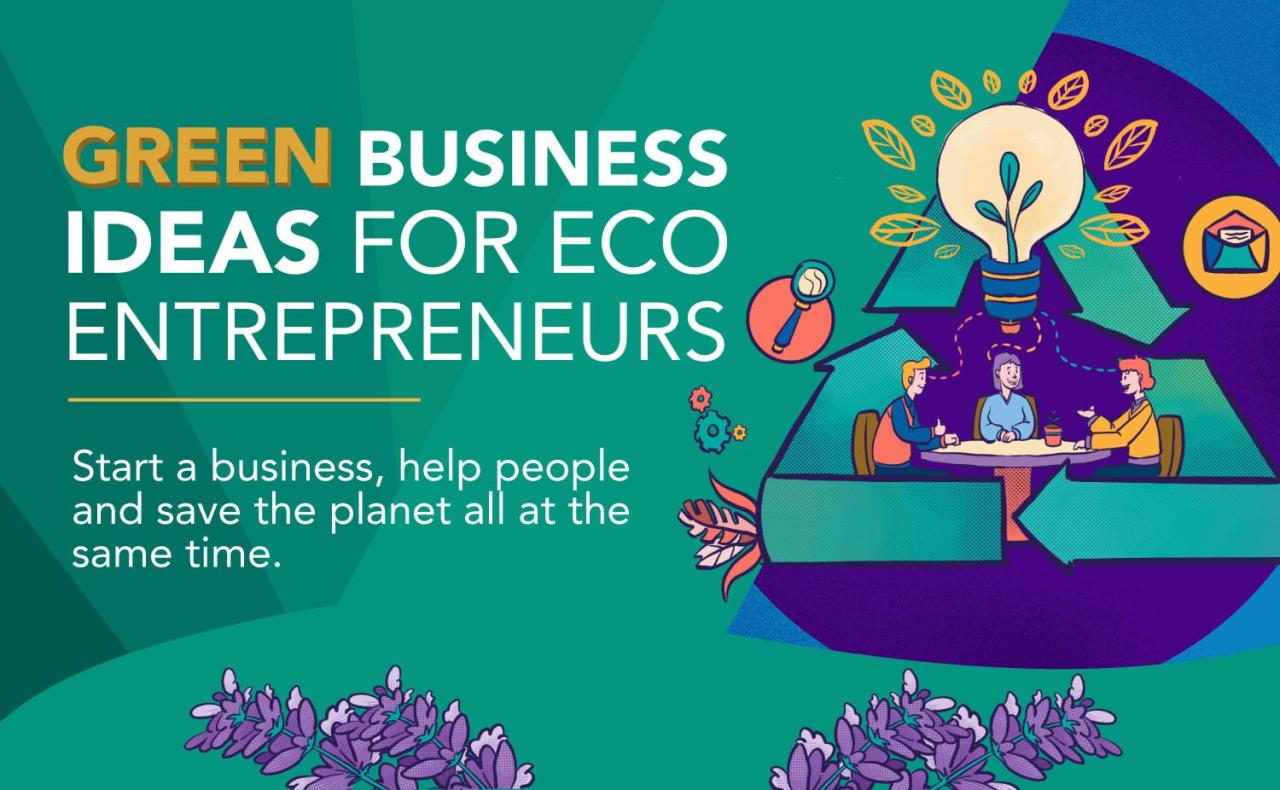
As businesses increasingly focus on sustainability, adopting green energy solutions has become a key strategy for reducing their environmental impact and operating more efficiently.
Eco-Friendly Energy Options for Businesses
Businesses have a variety of eco-friendly energy options to choose from, including:
- Solar Power: Harnessing energy from the sun through solar panels installed on rooftops or in open spaces.
- Wind Power: Utilizing wind turbines to generate electricity from the power of the wind.
- Geothermal Energy: Tapping into the heat beneath the earth’s surface to produce energy for heating and cooling systems.
- Biomass Energy: Using organic materials like wood chips or agricultural waste to generate electricity or heat.
Discuss the Benefits of Renewable Energy Sources
Renewable energy sources offer numerous benefits for businesses, including:
- Cost Savings: Green energy solutions can reduce energy costs over time, providing long-term savings for businesses.
- Environmental Impact: By using renewable energy, businesses can significantly reduce their carbon footprint and contribute to a cleaner environment.
- Energy Independence: Renewable energy sources offer businesses a more reliable and sustainable energy supply, reducing dependence on traditional fossil fuels.
- Brand Reputation: Adopting green energy solutions can enhance a company’s reputation and appeal to environmentally conscious consumers.
Explore How Businesses Can Integrate Green Energy Solutions into Their Operations
Businesses can integrate green energy solutions into their operations in several ways, such as:
- Investing in Renewable Energy Infrastructure: Installing solar panels, wind turbines, or other renewable energy systems on-site to power operations.
- Energy Efficiency Measures: Implementing energy-saving practices and technologies to reduce overall energy consumption.
- Purchasing Renewable Energy Credits: Businesses can support renewable energy projects by purchasing credits to offset their carbon emissions.
- Partnering with Green Energy Providers: Collaborating with green energy suppliers to source renewable energy for their operations.
Sustainable Supply Chain Management Strategies
Sustainable supply chain management involves integrating environmentally and socially responsible practices into the sourcing, production, and distribution of goods and services. This approach aims to minimize negative impacts on the environment, society, and economy while maximizing positive outcomes for all stakeholders involved in the supply chain.
Examples of Companies Implementing Sustainable Supply Chain Practices
Many companies across various industries have started to adopt sustainable supply chain practices to reduce their carbon footprint and improve their overall sustainability performance. Some notable examples include:
- Unilever: Unilever has set ambitious targets to reduce greenhouse gas emissions and improve water efficiency throughout its supply chain. The company works closely with suppliers to promote sustainable sourcing practices and reduce waste.
- Patagonia: Patagonia is known for its commitment to sustainability and ethical sourcing. The company works with suppliers to ensure fair labor practices, reduce environmental impact, and promote transparency in its supply chain.
- IKEA: IKEA has implemented various initiatives to promote sustainable sourcing and production practices, such as using renewable materials and reducing waste in its supply chain. The company also focuses on energy efficiency and circular economy principles.
The Importance of Transparency and Accountability in Supply Chains for Sustainability
Transparency and accountability are key principles in sustainable supply chain management as they help build trust among stakeholders and drive positive change. By being transparent about sourcing practices, production processes, and environmental impacts, companies can identify areas for improvement and work towards more sustainable outcomes.
Circular Economy Practices in Business
The circular economy is an economic system aimed at eliminating waste and the continual use of resources. In this model, products are designed to be reused, repaired, and recycled to minimize the generation of waste. This shift towards a circular economy is crucial for businesses to achieve sustainability goals and reduce their environmental impact.
Adopting Circular Economy Principles
Companies can adopt circular economy principles by implementing strategies such as:
- Designing products for longevity and easy repair
- Implementing take-back programs for recycling and reusing materials
- Collaborating with suppliers to source sustainable materials
- Embracing sharing and leasing models to extend product life cycles
Benefits of Transitioning to a Circular Economy Model
Transitioning to a circular economy model offers several benefits for businesses, including:
- Reduced waste generation and lower disposal costs
- Increased resource efficiency and cost savings
- Enhanced brand reputation and customer loyalty
- Opportunities for innovation and new revenue streams
Social Impact Initiatives and Corporate Responsibility
Social impact initiatives play a crucial role in sustainable business practices by focusing on creating positive change in society and the environment. Corporate social responsibility (CSR) is becoming increasingly important in the next decade as consumers are more conscious of the impact of businesses on society and the planet.
Companies that effectively balance profit with social impact not only contribute to a better world but also build stronger relationships with their stakeholders.
Examples of Companies Emphasizing Social Impact
- Patagonia: Known for its commitment to environmental sustainability, Patagonia donates a percentage of its profits to environmental causes and actively works to reduce its carbon footprint.
- Unilever: Unilever has integrated sustainability into its business model with initiatives like the Sustainable Living Plan, which focuses on improving health and well-being while reducing environmental impact.
- TOMS: TOMS is famous for its “One for One” model, where for every product purchased, a person in need receives help. This social impact initiative has resonated with consumers globally.
Final Summary
In conclusion, the future of sustainable business ideas is bright, with innovative trends, green energy solutions, and social impact initiatives paving the way for a more environmentally friendly and socially responsible business environment.
Commonly Asked Questions
What is the importance of sustainability in business practices?
Sustainability in business practices ensures long-term viability, reduces environmental impact, and enhances brand reputation.
How can businesses integrate green energy solutions into their operations?
Businesses can incorporate solar panels, energy-efficient lighting, and renewable energy sources to reduce carbon footprint and operational costs.
What is the circular economy and why is it significant for businesses?
The circular economy focuses on reducing waste by reusing, recycling, and repurposing materials, offering cost savings and environmental benefits for businesses.
Why is corporate social responsibility (CSR) important in the next decade?
CSR is crucial for businesses to build trust with consumers, attract top talent, and contribute positively to society and the environment.