• Business
  • Entrepreneurship
  • Startup Technology
  • Digital Business Ecosystems
Business.inilahkuningan.com
No Result
View All Result
  • General
  • Business
  • Entrepreneurship
  • Startup Technology
  • Digital Business Ecosystems
  • Business Sustainability
  • Digital Business
  • General
  • Business
  • Entrepreneurship
  • Startup Technology
  • Digital Business Ecosystems
  • Business Sustainability
  • Digital Business
No Result
View All Result
Morning News
No Result
View All Result
Home Business

Tech Business Trends Disrupting Traditional Industries: A Look into Innovation and Transformation

by Raimu Su Exterior Fiding
May 28, 2025
in Business, General
0
Industries traditional disrupting israel asia
0
SHARES
200
VIEWS
Share on FacebookShare on Twitter

Exploring the dynamic landscape of technology and its impact on traditional industries, this piece delves into the disruptive trends reshaping the business world. Prepare to uncover how innovation is revolutionizing age-old sectors with a blend of creativity and cutting-edge advancements.

As we navigate through the realms of AI, IoT, and blockchain, a tapestry of possibilities unfolds, showcasing the evolution of business models and practices in an ever-changing environment.

Table of Contents

Toggle
  • Overview of Tech Business Trends Disrupting Traditional Industries
    • Artificial Intelligence and Automation
    • E-commerce and Online Retail
    • Blockchain and Cryptocurrency
  • Artificial Intelligence (AI) Integration in Traditional Industries
    • Benefits of AI Integration in Traditional Industries
    • Challenges of Implementing AI in Non-Tech Sectors
    • Real-World Examples of AI Integration in Traditional Industries
  • Internet of Things (IoT) Revolutionizing Traditional Business Models
    • IoT in Supply Chains and Customer Experiences
    • Role of IoT in Enhancing Operational Efficiency
    • Examples of IoT Applications
  • Blockchain Technology Impact on Traditional Sectors
    • Enhancing Transparency and Security
    • Use Cases in Various Industries
  • Ultimate Conclusion
  • FAQ
    • READ ALSO
    • Exploring Remote Business Models with Scalable Income Streams
    • How to Start a Digital Business Without Coding Skills: A Comprehensive Guide
  • Overview of Tech Business Trends Disrupting Traditional Industries
    • Artificial Intelligence and Automation
    • E-commerce and Online Retail
    • Blockchain and Cryptocurrency
  • Artificial Intelligence (AI) Integration in Traditional Industries
    • Benefits of AI Integration in Traditional Industries
    • Challenges of Implementing AI in Non-Tech Sectors
    • Real-World Examples of AI Integration in Traditional Industries
  • Internet of Things (IoT) Revolutionizing Traditional Business Models
    • IoT in Supply Chains and Customer Experiences
    • Role of IoT in Enhancing Operational Efficiency
    • Examples of IoT Applications
  • Blockchain Technology Impact on Traditional Sectors
    • Enhancing Transparency and Security
    • Use Cases in Various Industries
  • Ultimate Conclusion
  • FAQ

Overview of Tech Business Trends Disrupting Traditional Industries

Technology has been rapidly transforming traditional industries across the globe. Key tech trends are reshaping the way businesses operate, disrupting established norms, and creating new opportunities for growth and innovation.

The impact of technology on various industries is profound, leading to increased efficiency, enhanced customer experiences, and the emergence of entirely new business models. Companies that fail to adapt to these tech disruptions risk falling behind their competitors and losing relevance in the market.

Artificial Intelligence and Automation

  • Artificial intelligence (AI) and automation have revolutionized industries such as manufacturing, healthcare, and finance. AI-powered systems can analyze data, make predictions, and perform tasks with greater accuracy and speed than humans.
  • Automation has streamlined processes, reduced costs, and improved productivity in sectors like logistics and supply chain management. Robotics and autonomous vehicles are transforming the way goods are transported and delivered.

E-commerce and Online Retail

  • The rise of e-commerce platforms like Amazon and Alibaba has disrupted traditional retail businesses, forcing brick-and-mortar stores to adapt to the digital age. Online retail offers convenience, a wider selection of products, and personalized shopping experiences for consumers.
  • Technologies such as augmented reality (AR) and virtual reality (VR) are enhancing the online shopping experience, allowing customers to visualize products before making a purchase.

Blockchain and Cryptocurrency

  • Blockchain technology is transforming industries such as finance, real estate, and supply chain management by providing secure, transparent, and decentralized systems for transactions and data management.
  • Cryptocurrencies like Bitcoin and Ethereum are challenging traditional forms of currency and payment methods, offering faster and more cost-effective alternatives for financial transactions.

Artificial Intelligence (AI) Integration in Traditional Industries
Disruption tantangan melewatinya mencari pekerjaan rencanamu pandang sudut

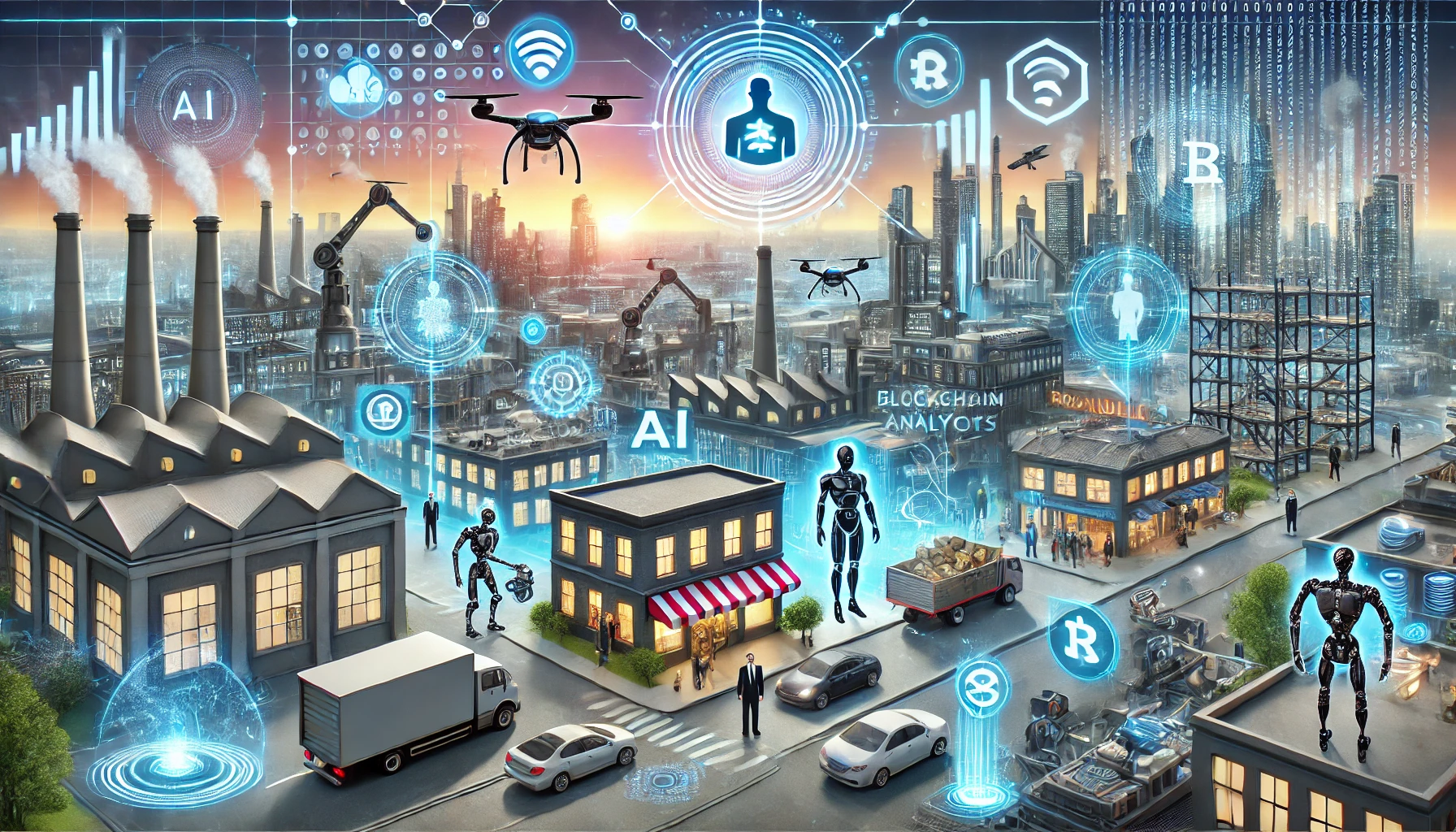
AI technology is revolutionizing traditional industries by automating processes, making data-driven decisions, and improving efficiency. This integration of AI in non-tech sectors has opened up new possibilities for businesses to streamline operations and enhance customer experiences.

Benefits of AI Integration in Traditional Industries

  • Increased productivity: AI can perform repetitive tasks faster and more accurately than humans, leading to higher productivity levels.
  • Cost savings: By automating processes, businesses can reduce labor costs and minimize errors, resulting in significant cost savings.
  • Improved decision-making: AI algorithms can analyze vast amounts of data to provide valuable insights for better decision-making in real-time.

Challenges of Implementing AI in Non-Tech Sectors

  • High initial investment: Implementing AI technology requires a significant upfront investment in infrastructure, software, and training.
  • Data privacy concerns: Non-tech sectors may struggle with data privacy regulations and ensuring the security of sensitive information when implementing AI.
  • Lack of skilled workforce: Finding and retaining talent with the necessary AI skills can be a challenge for traditional industries.

Real-World Examples of AI Integration in Traditional Industries

  • Healthcare:AI is being used to analyze medical images, predict patient outcomes, and personalize treatment plans in the healthcare sector.
  • Finance:Financial institutions are leveraging AI for fraud detection, risk assessment, and algorithmic trading to improve efficiency and accuracy.
  • Manufacturing:AI-powered robots and automation systems are transforming manufacturing processes by optimizing production, quality control, and supply chain management.

Internet of Things (IoT) Revolutionizing Traditional Business Models
.jpg" width="1200" height="600" alt="Disruptive top marketing" title="Disruptive top marketing" />

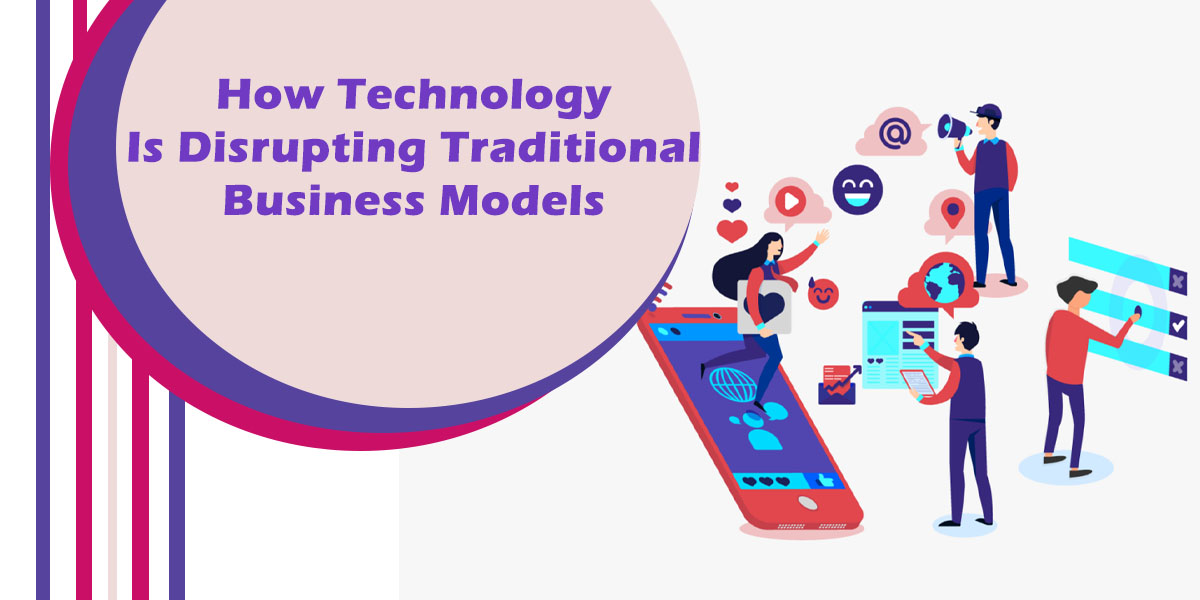
The Internet of Things (IoT) has been a game-changer in revolutionizing traditional business models by connecting devices and enabling data-driven decision-making processes.

IoT in Supply Chains and Customer Experiences

IoT has transformed supply chains by providing real-time insights into inventory levels, tracking shipments, and optimizing routes for deliveries. This connectivity allows businesses to streamline operations, reduce costs, and improve overall efficiency. Additionally, IoT enhances customer experiences by enabling personalized services, predictive maintenance, and seamless interactions with products or services.

Role of IoT in Enhancing Operational Efficiency

IoT plays a crucial role in enhancing operational efficiency in traditional industries by automating processes, monitoring equipment performance, and improving resource utilization. With IoT sensors and devices, businesses can collect valuable data to optimize workflows, minimize downtime, and ensure quality control throughout the production cycle.

Examples of IoT Applications

  • Agriculture: IoT sensors in agriculture monitor soil conditions, crop health, and weather patterns to optimize irrigation, fertilizer usage, and pest control, resulting in higher yields and reduced environmental impact.
  • Retail: IoT devices in retail enable inventory management, personalized marketing strategies, and enhanced customer engagement through interactive displays and smart shelves that track product availability and customer preferences.
  • Transportation: IoT technology in transportation improves fleet management, route optimization, and vehicle maintenance by collecting data on fuel consumption, driver behavior, and traffic conditions to enhance safety, efficiency, and overall performance.

Blockchain Technology Impact on Traditional Sectors

Blockchain technology has been revolutionizing traditional sectors by providing decentralized and transparent systems for various industries. Its impact on businesses has been significant, offering enhanced security, efficiency, and trust in transactions.

Enhancing Transparency and Security

  • Blockchain ensures transparency by creating a shared ledger that is accessible to all parties involved in a transaction. This eliminates the need for intermediaries and reduces the risk of fraud.
  • The immutability of blockchain data ensures that once a transaction is recorded, it cannot be altered or deleted, providing a high level of security and authenticity.
  • Smart contracts, a feature of blockchain technology, automate and enforce the terms of a contract, reducing the need for manual verification and minimizing disputes.

Use Cases in Various Industries

  • Logistics:Blockchain is being used to track the movement of goods along the supply chain, providing real-time visibility and traceability. This helps in preventing counterfeiting and ensuring the authenticity of products.
  • Real Estate:By leveraging blockchain technology, real estate transactions can be made more secure and efficient. Smart contracts can automate the transfer of property titles and ensure the legitimacy of ownership.
  • Legal Services:Blockchain can streamline legal processes by securely storing sensitive data such as contracts, wills, and intellectual property rights. This reduces the risk of data tampering and enhances the overall efficiency of legal operations.

Ultimate Conclusion

Industries traditional disrupting israel asia

In conclusion, the realm of Tech Business Trends Disrupting Traditional Industries offers a glimpse into the future of commerce, where adaptation and innovation reign supreme. Embrace the wave of change and witness the transformative power of technology in redefining the traditional paradigms of various sectors.

FAQ

How is AI transforming traditional business operations?

AI is streamlining processes, enhancing decision-making, and optimizing efficiency in sectors like healthcare, finance, and manufacturing.

What benefits and challenges come with implementing AI in non-tech sectors?

The benefits include improved productivity and customer satisfaction, while challenges may involve initial investment costs and workforce training.

How is IoT revolutionizing supply chains and customer experiences?

IoT is enabling real-time tracking, predictive maintenance, and personalized interactions, enhancing both operational efficiency and customer engagement.

What potential does blockchain hold in enhancing transparency and security?

Blockchain offers immutable records, secure transactions, and increased trust through decentralized systems, benefiting industries like logistics, real estate, and legal services.

READ ALSO

Exploring Remote Business Models with Scalable Income Streams

How to Start a Digital Business Without Coding Skills: A Comprehensive Guide

Exploring the dynamic landscape of technology and its impact on traditional industries, this piece delves into the disruptive trends reshaping the business world. Prepare to uncover how innovation is revolutionizing age-old sectors with a blend of creativity and cutting-edge advancements.

As we navigate through the realms of AI, IoT, and blockchain, a tapestry of possibilities unfolds, showcasing the evolution of business models and practices in an ever-changing environment.

Overview of Tech Business Trends Disrupting Traditional Industries

Technology has been rapidly transforming traditional industries across the globe. Key tech trends are reshaping the way businesses operate, disrupting established norms, and creating new opportunities for growth and innovation.

The impact of technology on various industries is profound, leading to increased efficiency, enhanced customer experiences, and the emergence of entirely new business models. Companies that fail to adapt to these tech disruptions risk falling behind their competitors and losing relevance in the market.

Artificial Intelligence and Automation

  • Artificial intelligence (AI) and automation have revolutionized industries such as manufacturing, healthcare, and finance. AI-powered systems can analyze data, make predictions, and perform tasks with greater accuracy and speed than humans.
  • Automation has streamlined processes, reduced costs, and improved productivity in sectors like logistics and supply chain management. Robotics and autonomous vehicles are transforming the way goods are transported and delivered.

E-commerce and Online Retail

  • The rise of e-commerce platforms like Amazon and Alibaba has disrupted traditional retail businesses, forcing brick-and-mortar stores to adapt to the digital age. Online retail offers convenience, a wider selection of products, and personalized shopping experiences for consumers.
  • Technologies such as augmented reality (AR) and virtual reality (VR) are enhancing the online shopping experience, allowing customers to visualize products before making a purchase.

Blockchain and Cryptocurrency

  • Blockchain technology is transforming industries such as finance, real estate, and supply chain management by providing secure, transparent, and decentralized systems for transactions and data management.
  • Cryptocurrencies like Bitcoin and Ethereum are challenging traditional forms of currency and payment methods, offering faster and more cost-effective alternatives for financial transactions.

Artificial Intelligence (AI) Integration in Traditional Industries

Disruption tantangan melewatinya mencari pekerjaan rencanamu pandang sudut

AI technology is revolutionizing traditional industries by automating processes, making data-driven decisions, and improving efficiency. This integration of AI in non-tech sectors has opened up new possibilities for businesses to streamline operations and enhance customer experiences.

Benefits of AI Integration in Traditional Industries

  • Increased productivity: AI can perform repetitive tasks faster and more accurately than humans, leading to higher productivity levels.
  • Cost savings: By automating processes, businesses can reduce labor costs and minimize errors, resulting in significant cost savings.
  • Improved decision-making: AI algorithms can analyze vast amounts of data to provide valuable insights for better decision-making in real-time.

Challenges of Implementing AI in Non-Tech Sectors

  • High initial investment: Implementing AI technology requires a significant upfront investment in infrastructure, software, and training.
  • Data privacy concerns: Non-tech sectors may struggle with data privacy regulations and ensuring the security of sensitive information when implementing AI.
  • Lack of skilled workforce: Finding and retaining talent with the necessary AI skills can be a challenge for traditional industries.

Real-World Examples of AI Integration in Traditional Industries

  • Healthcare:AI is being used to analyze medical images, predict patient outcomes, and personalize treatment plans in the healthcare sector.
  • Finance:Financial institutions are leveraging AI for fraud detection, risk assessment, and algorithmic trading to improve efficiency and accuracy.
  • Manufacturing:AI-powered robots and automation systems are transforming manufacturing processes by optimizing production, quality control, and supply chain management.

Internet of Things (IoT) Revolutionizing Traditional Business Models

.jpg" width="1200" height="600" alt="Disruptive top marketing" title="Disruptive top marketing" />

The Internet of Things (IoT) has been a game-changer in revolutionizing traditional business models by connecting devices and enabling data-driven decision-making processes.

IoT in Supply Chains and Customer Experiences

IoT has transformed supply chains by providing real-time insights into inventory levels, tracking shipments, and optimizing routes for deliveries. This connectivity allows businesses to streamline operations, reduce costs, and improve overall efficiency. Additionally, IoT enhances customer experiences by enabling personalized services, predictive maintenance, and seamless interactions with products or services.

Role of IoT in Enhancing Operational Efficiency

IoT plays a crucial role in enhancing operational efficiency in traditional industries by automating processes, monitoring equipment performance, and improving resource utilization. With IoT sensors and devices, businesses can collect valuable data to optimize workflows, minimize downtime, and ensure quality control throughout the production cycle.

Examples of IoT Applications

  • Agriculture: IoT sensors in agriculture monitor soil conditions, crop health, and weather patterns to optimize irrigation, fertilizer usage, and pest control, resulting in higher yields and reduced environmental impact.
  • Retail: IoT devices in retail enable inventory management, personalized marketing strategies, and enhanced customer engagement through interactive displays and smart shelves that track product availability and customer preferences.
  • Transportation: IoT technology in transportation improves fleet management, route optimization, and vehicle maintenance by collecting data on fuel consumption, driver behavior, and traffic conditions to enhance safety, efficiency, and overall performance.

Blockchain Technology Impact on Traditional Sectors

Blockchain technology has been revolutionizing traditional sectors by providing decentralized and transparent systems for various industries. Its impact on businesses has been significant, offering enhanced security, efficiency, and trust in transactions.

Enhancing Transparency and Security

  • Blockchain ensures transparency by creating a shared ledger that is accessible to all parties involved in a transaction. This eliminates the need for intermediaries and reduces the risk of fraud.
  • The immutability of blockchain data ensures that once a transaction is recorded, it cannot be altered or deleted, providing a high level of security and authenticity.
  • Smart contracts, a feature of blockchain technology, automate and enforce the terms of a contract, reducing the need for manual verification and minimizing disputes.

Use Cases in Various Industries

  • Logistics:Blockchain is being used to track the movement of goods along the supply chain, providing real-time visibility and traceability. This helps in preventing counterfeiting and ensuring the authenticity of products.
  • Real Estate:By leveraging blockchain technology, real estate transactions can be made more secure and efficient. Smart contracts can automate the transfer of property titles and ensure the legitimacy of ownership.
  • Legal Services:Blockchain can streamline legal processes by securely storing sensitive data such as contracts, wills, and intellectual property rights. This reduces the risk of data tampering and enhances the overall efficiency of legal operations.

Ultimate Conclusion

Industries traditional disrupting israel asia

In conclusion, the realm of Tech Business Trends Disrupting Traditional Industries offers a glimpse into the future of commerce, where adaptation and innovation reign supreme. Embrace the wave of change and witness the transformative power of technology in redefining the traditional paradigms of various sectors.

FAQ

How is AI transforming traditional business operations?

AI is streamlining processes, enhancing decision-making, and optimizing efficiency in sectors like healthcare, finance, and manufacturing.

What benefits and challenges come with implementing AI in non-tech sectors?

The benefits include improved productivity and customer satisfaction, while challenges may involve initial investment costs and workforce training.

How is IoT revolutionizing supply chains and customer experiences?

IoT is enabling real-time tracking, predictive maintenance, and personalized interactions, enhancing both operational efficiency and customer engagement.

What potential does blockchain hold in enhancing transparency and security?

Blockchain offers immutable records, secure transactions, and increased trust through decentralized systems, benefiting industries like logistics, real estate, and legal services.

Tags: Business TrendsDisruptionInnovationTechTraditional Industries

Related Posts

Revenue streams
Digital Business

Exploring Remote Business Models with Scalable Income Streams

May 28, 2025
How to Start a Digital Business Without Coding Skills
Business

How to Start a Digital Business Without Coding Skills: A Comprehensive Guide

May 28, 2025
Cloud based software business benefits small social hire company moving however daunting seem operations might
General

Cloud-Based Business Infrastructure for Startups: Empowering Growth and Efficiency

May 28, 2025
Regulation regulatory regulated regulations clipart brokers unregulated generics cooperation europe agency biosimilars japan vs european between have clip gabi journal
Business

Regulatory Challenges for E-Businesses in Europe: Navigating the Complexities

May 28, 2025
Digital asia southeast landscape social use internet guide wearesocial we sites full
Digital Business Ecosystems

Exploring the Dynamics of Digital Business Ecosystems in Southeast Asia

May 28, 2025
Understanding Crypto Payment Systems: The Future of Transactions | by ...
Finance

Crypto-Backed Business Payment Systems Explained: Revolutionizing Transactions

May 28, 2025

Leave a Reply Cancel reply

Your email address will not be published. Required fields are marked *

Pages

  • Kode Etik
  • Pedoman Media Siber
  • Privacy Policy
  • Redaksi

Follow Us On

InilahKuningan.com ©2023 |
All Right Reserved

No Result
View All Result
  • General
  • Business
  • Entrepreneurship
  • Startup Technology
  • Digital Business Ecosystems
  • Business Sustainability
  • Digital Business

InilahKuningan.com ©2023 | All Right Reserved